
Hue: A City Painted in History and Art

A City Painted by History, A Canvas for the Future
Hue, the former imperial capital of Vietnam, is a city that breathes art. Unlike other destinations that simply house art within museums, Hue’s entire landscape serves as a magnificent canvas where history, culture, and nature have created a masterpiece over centuries. Visitors often come for the historical monuments, but they stay for the deeply ingrained artistic spirit that permeates every corner of the city.
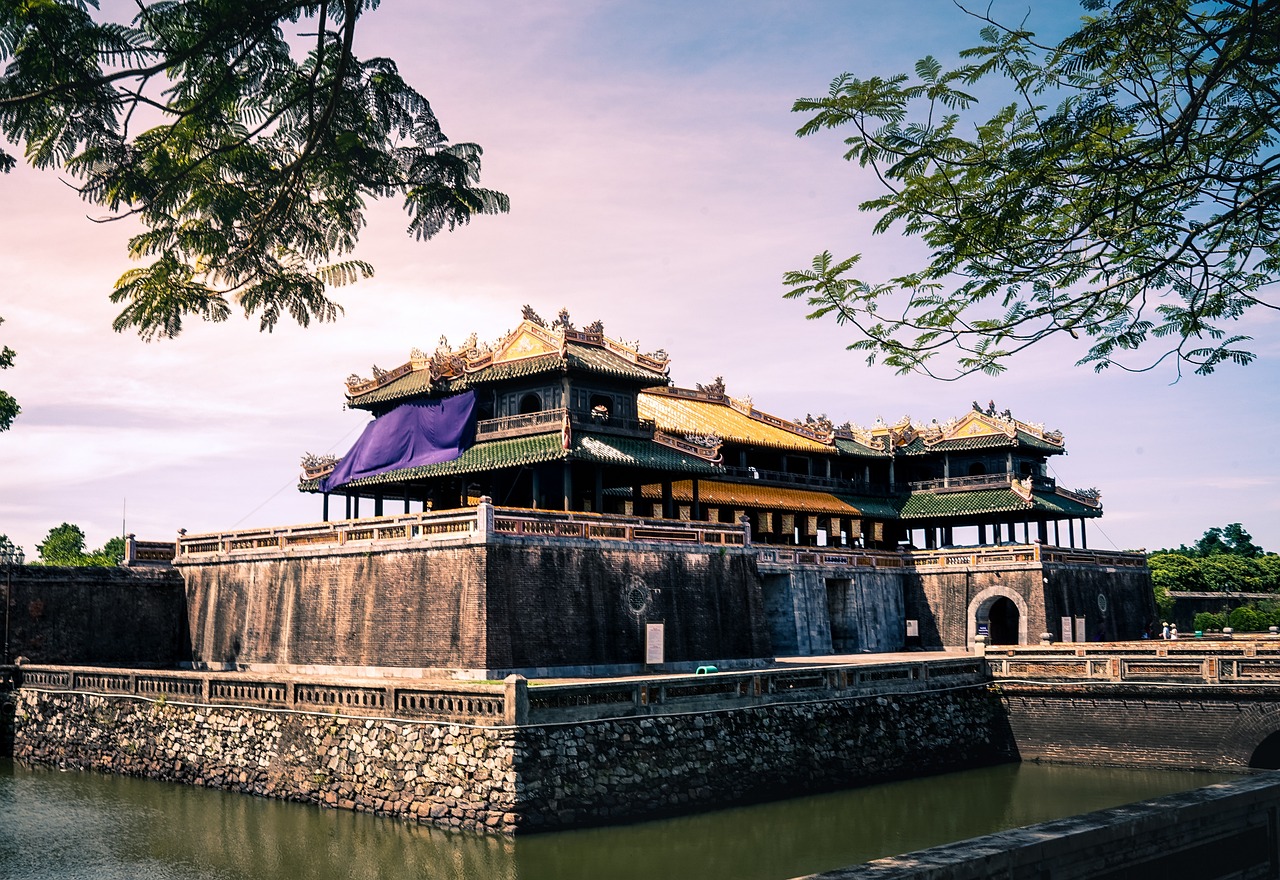
This artistic identity is rooted in its past as the seat of the Nguyen Dynasty. For over 140 years, Hue was the political and cultural heart of Vietnam, and the emperors were great patrons of the arts. They commissioned magnificent palaces, intricate tombs, and ornate pagodas. Look closely at the Imperial City, and you’ll see a symphony of art forms: the vibrant, almost-holographic lacquerware on wooden doors, the delicate carvings on stone pillars, and the symmetrical, contemplative garden designs. These are not mere decorations; they are expressions of a worldview—a philosophy that valued harmony, balance, and a deep connection to nature.
One of the most remarkable examples of this imperial artistry is the collection of royal tombs along the Perfume River. Each tomb, like that of Minh Mang or Khai Dinh, is a unique architectural and artistic statement, reflecting the personality and tastes of the emperor it honors. Khai Dinh’s tomb, for instance, is a stunning, albeit unconventional, blend of Eastern and Western architectural styles, decorated with intricate mosaics made from porcelain and broken glass—a testament to the fusion of cultures that Hue, even then, was embracing.
But Hue’s art scene isn’t confined to its royal history. The city is a vibrant, living gallery where traditional art forms continue to thrive alongside a burgeoning contemporary scene. Stroll through the streets, and you’ll encounter workshops dedicated to lacquerware, a uniquely Vietnamese art form where layers of lacquer from the son tree are applied and meticulously polished to create a lustrous, durable surface. You’ll see artisans at work on silk paintings, capturing the graceful beauty of landscapes and daily life with soft, flowing brushstrokes. These are not just crafts; they are a bridge to the past, preserving techniques passed down through generations.
The contemporary art scene in Hue is just as compelling. A new generation of artists is taking traditional themes and techniques and reinterpreting them to explore modern issues. They are using vibrant colors to express new emotions and challenging established norms while still honoring their cultural heritage. This dialogue between the old and the new is a vital part of what makes Hue’s art so special. Galleries and local art cafes are popping up, providing a platform for this new wave of creativity and making art accessible to everyone—from tourists to local students.
The city’s artistic essence is also visible in its most mundane elements. It’s in the quiet simplicity of a lotus blooming in a pond, the vibrant colors of a street food stall, and the melancholic beauty of the Perfume River at sunset. The natural landscape itself is a source of constant inspiration. The gentle curves of the river, the misty mountains, and the lush gardens all serve as the backdrop for the city’s creative output.
In essence, Hue is not just a destination to visit; it’s an experience to be felt. It’s an art gallery without walls, where the past whispers its stories through ancient monuments and the future is being painted by the hands of its talented artists. This series of articles will be your guide to this artistic heart, taking you from the grandeur of the Imperial Court to the intimate studios of local artists, showing you how art, history, and life are inextricably linked in this captivating city.
Join our affiliate program and start earning commissions today—sign up now!
https://shorturl.fm/SilGT